Meta-Analysis and Systematic Review for Agricultural Studies (NAU-MARS)” during August 19–20, 2026,
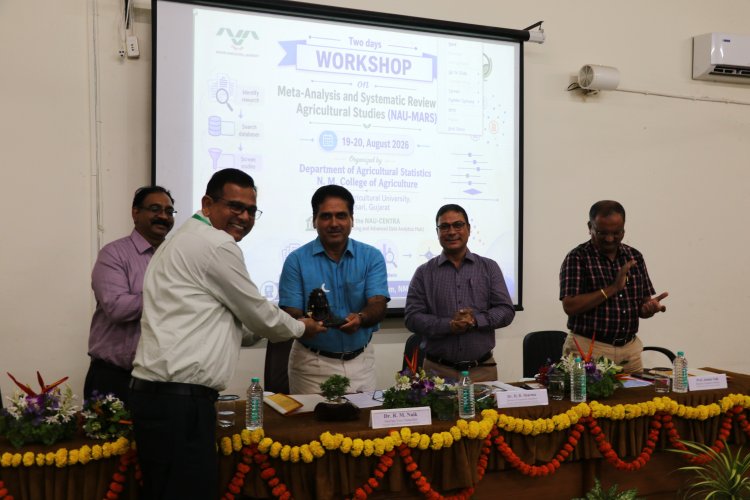
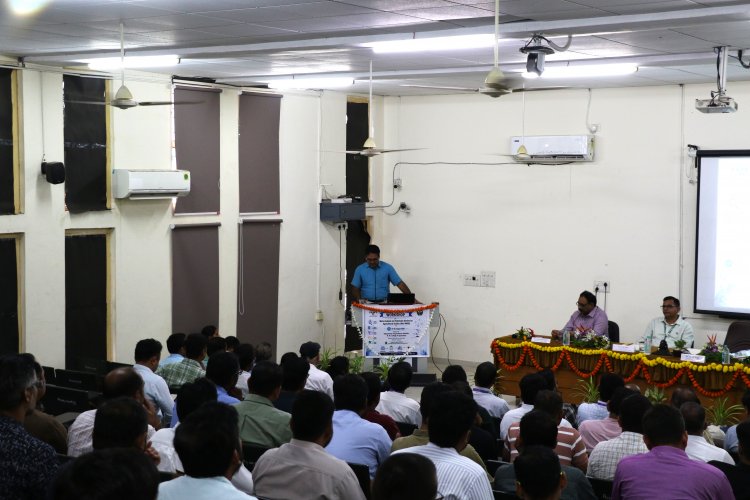
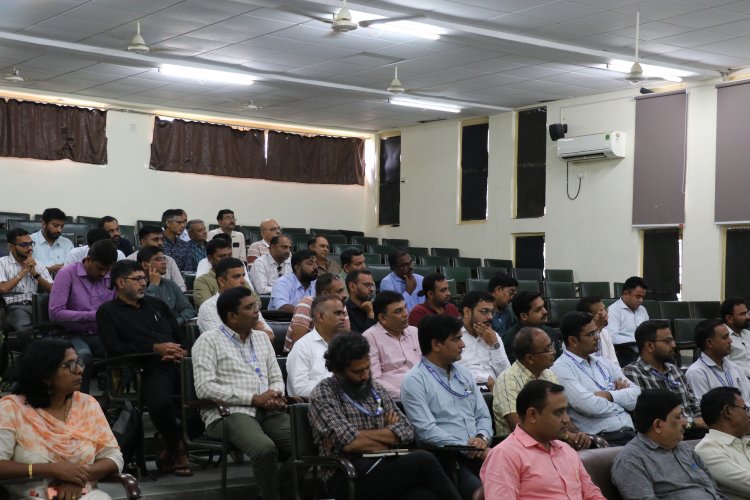
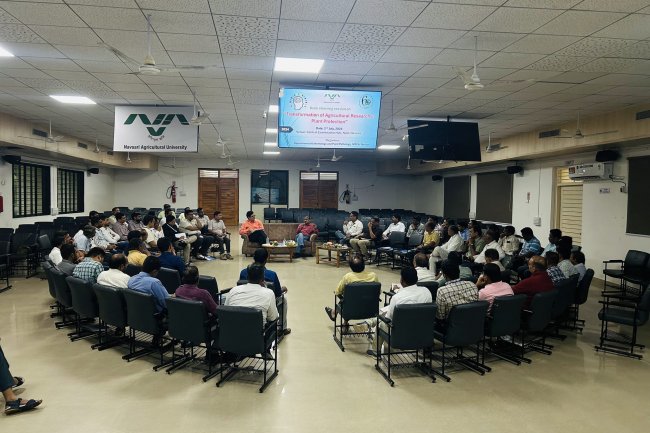
The Department of Agricultural Statistics, N. M. College of Agriculture, Navsari Agricultural University (NAU), Navsari, organized a two-day workshop on “Meta-Analysis and Systematic Review for Agricultural Studies (NAU-MARS)” during August 19–20, 2026, under the NAU-CENTRA Project (Establishment of Centralized Training and Advanced Data Analytics Hub). The workshop aimed to strengthen the analytical capabilities of researchers, scientists and faculty members in systematic review and meta-analysis for agricultural research.
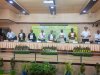
The workshop was presided over by Hon’ble Vice-Chancellor Dr. R. M. Naik, Navsari Agricultural University. The inaugural function was graced by Dr. H. R. Sharma, Director of Extension Education, as Chief Guest; Prof. Jaimin Naik, Director of Students’ Welfare; Dr. P. B. Patel, Principal & Dean, N. M. College of Agriculture and Convener; and Dr. Alok Shrivastava, Professor & Head, Department of Agricultural Statistics. In his presidential address, Hon’ble Vice-Chancellor Dr. R. M. Naik highlighted the vital role of statistics in agricultural research and evidence-based decision-making. He emphasized that systematic review and meta-analysis enable researchers to synthesize evidence from multiple studies and arrive at more reliable and comprehensive scientific conclusions and aptly described meta-analysis as the “statistics of statistics”, emphasizing its growing importance in strengthening the quality and impact of agricultural research.
The workshop featured six expert lectures by eminent resource persons from across the country, covering key aspects of systematic review and meta-analysis. Sessions addressed literature search, study selection, data extraction, effect-size estimation, heterogeneity, publication bias, subgroup analysis and meta-regression. Participants also received hands-on training in meta-analysis using R and modern statistical tools. The workshop strengthened participants’ understanding of evidence synthesis and interpretation. It emphasized the application of these methods for quality, reproducible and evidence-based agricultural research.